Showing posts with label lithium ion batteries. Show all posts

Wednesday, December 28, 2011

Chevy Volt and Fiat 500 Amongst Worst Product Flops of 2011


A report on the seven worst product flops in the U.S. from 24/7 Wall Street that was re-posted on Yahoo Finance includes two vehicle introductions, the Chevrolet Volt and the Fiat 500.

According to the author of the report, Chevrolet's extended range electric vehicle made it on the list because it underperformed in sales while the fact that it is under investigation by the National Highway Traffic Safety Administration (NHTSA) for fires related to the car's lithium-ion batteries is also mentioned.

As for the 500, the article says that while the Italians expected to sell some 50,000 cars during its first year in the States, Fiat sold fewer than 12,000 from January through July, and that the company ousted its chief Laura Soave this past November. For the record, Fiat sold 15,826 examples of the coupe and the 500C through October.

The other products mentioned in the list include Abercrombie & Fitch's “Ashley” Push-Up Triangle, a bikini top with padding for kids; Netflix's DVD-by-mail only Qwikster service; the HTC Status smartphone; Blackberry's PlayBook Tablet, and the Mars Needs Moms 3D film from Disney.
PHOTO GALLERY

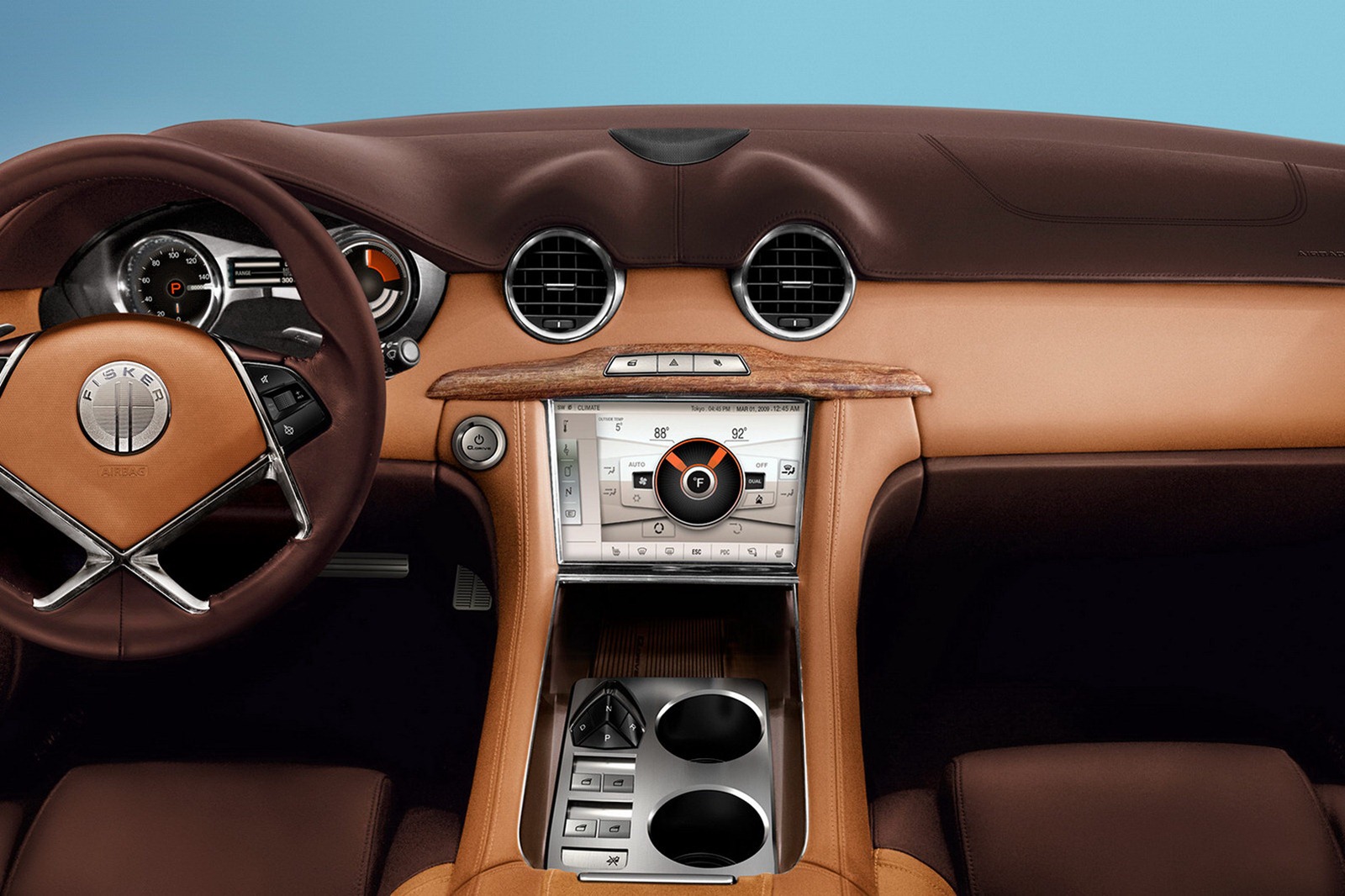
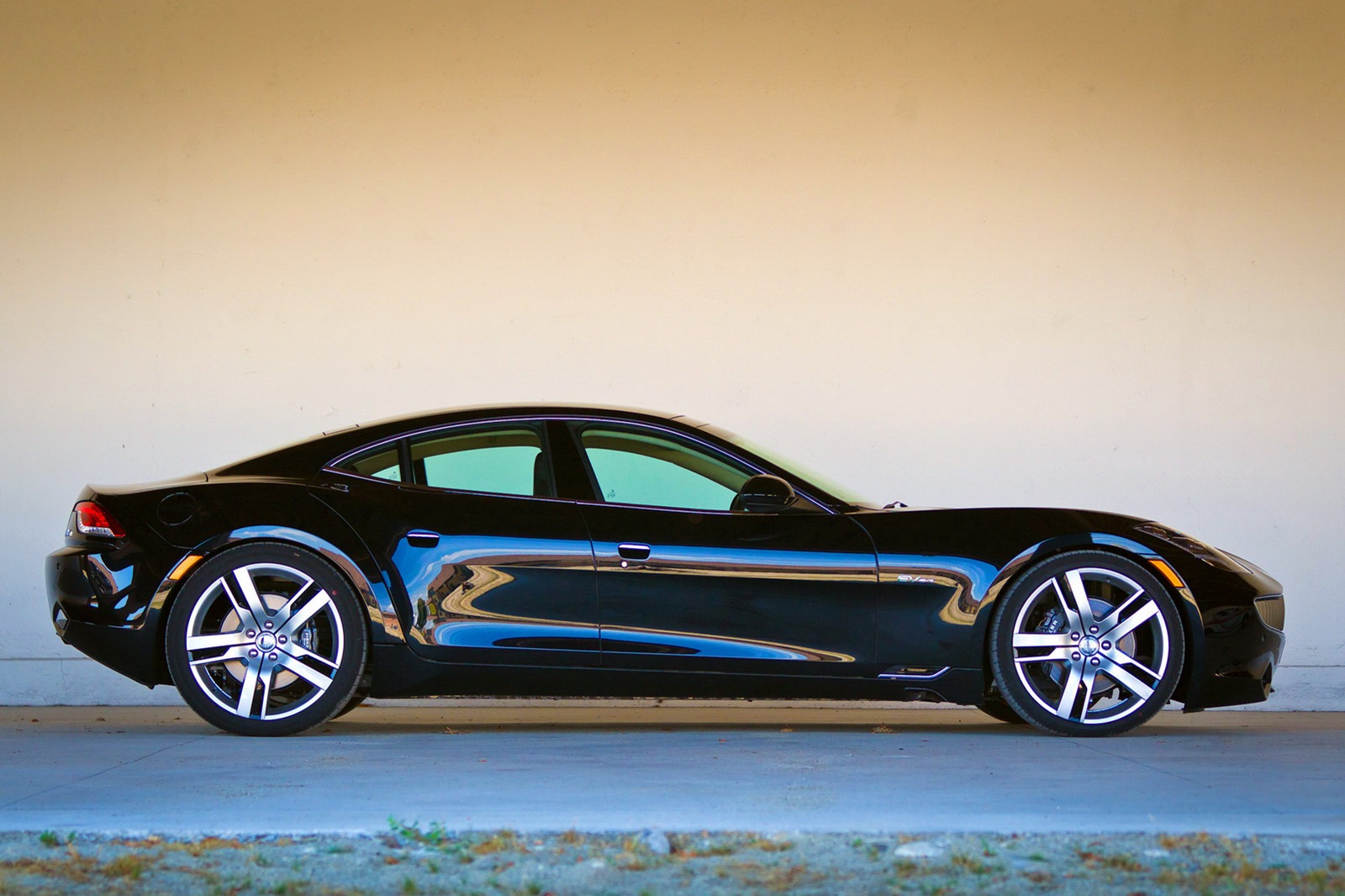
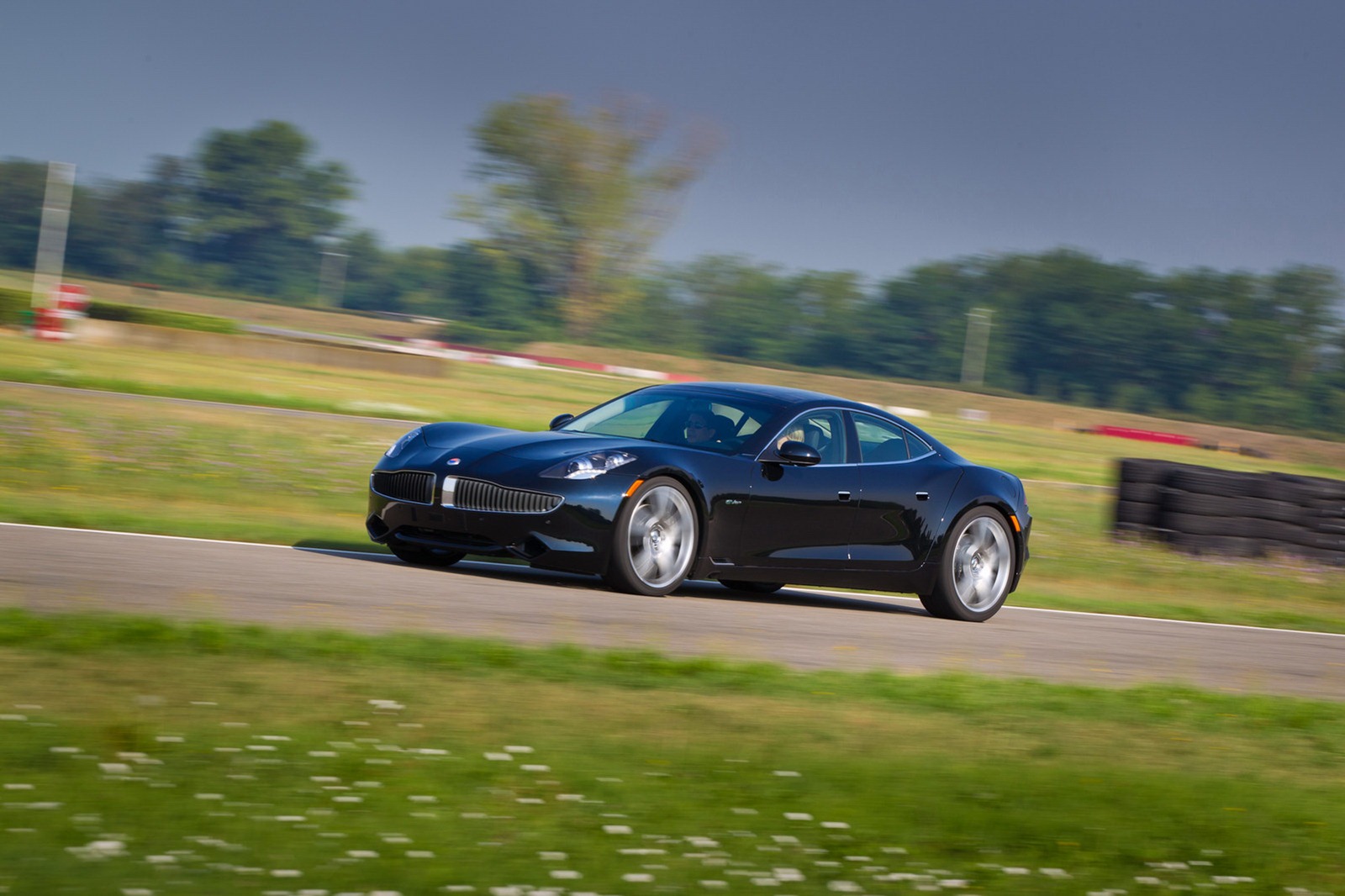
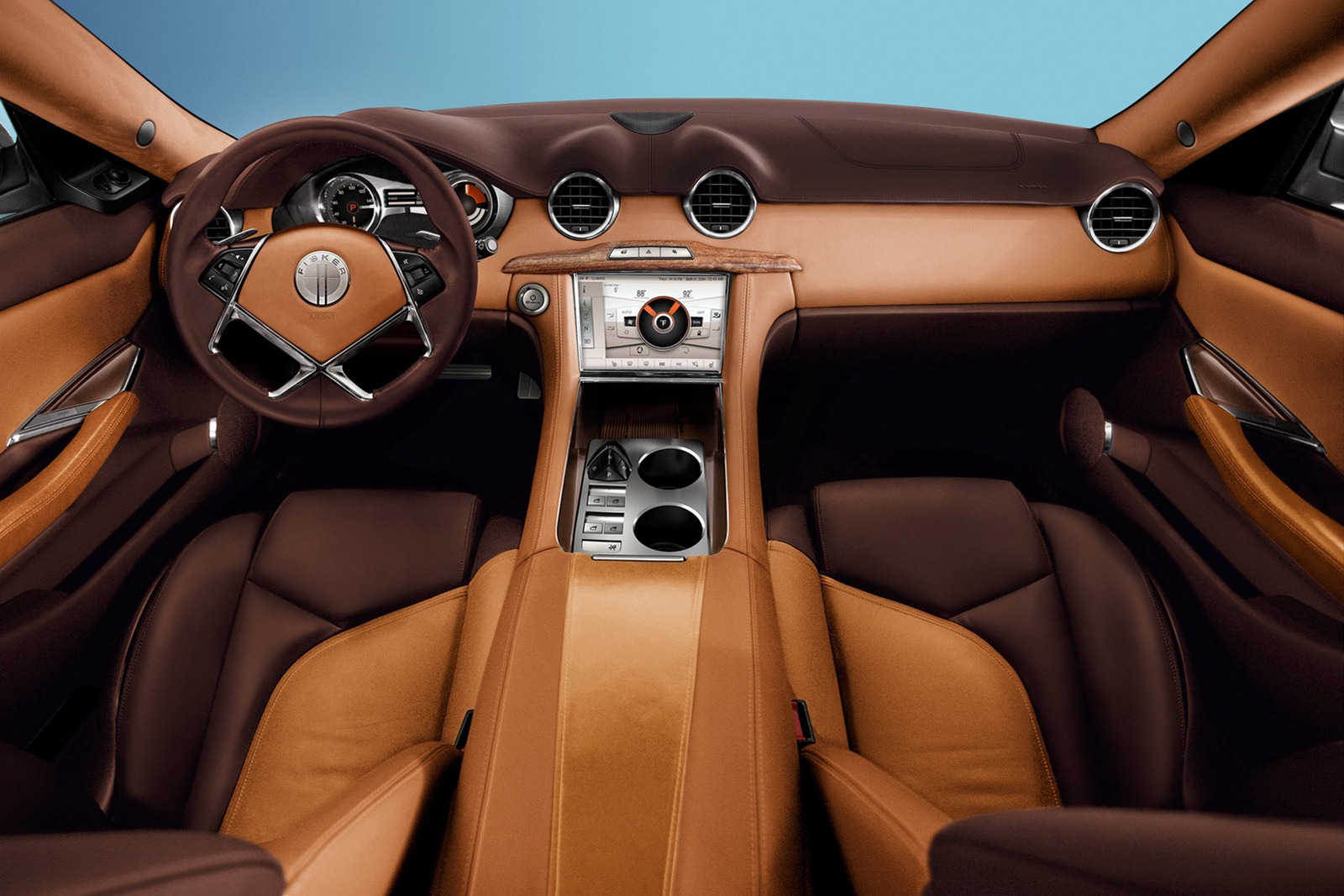
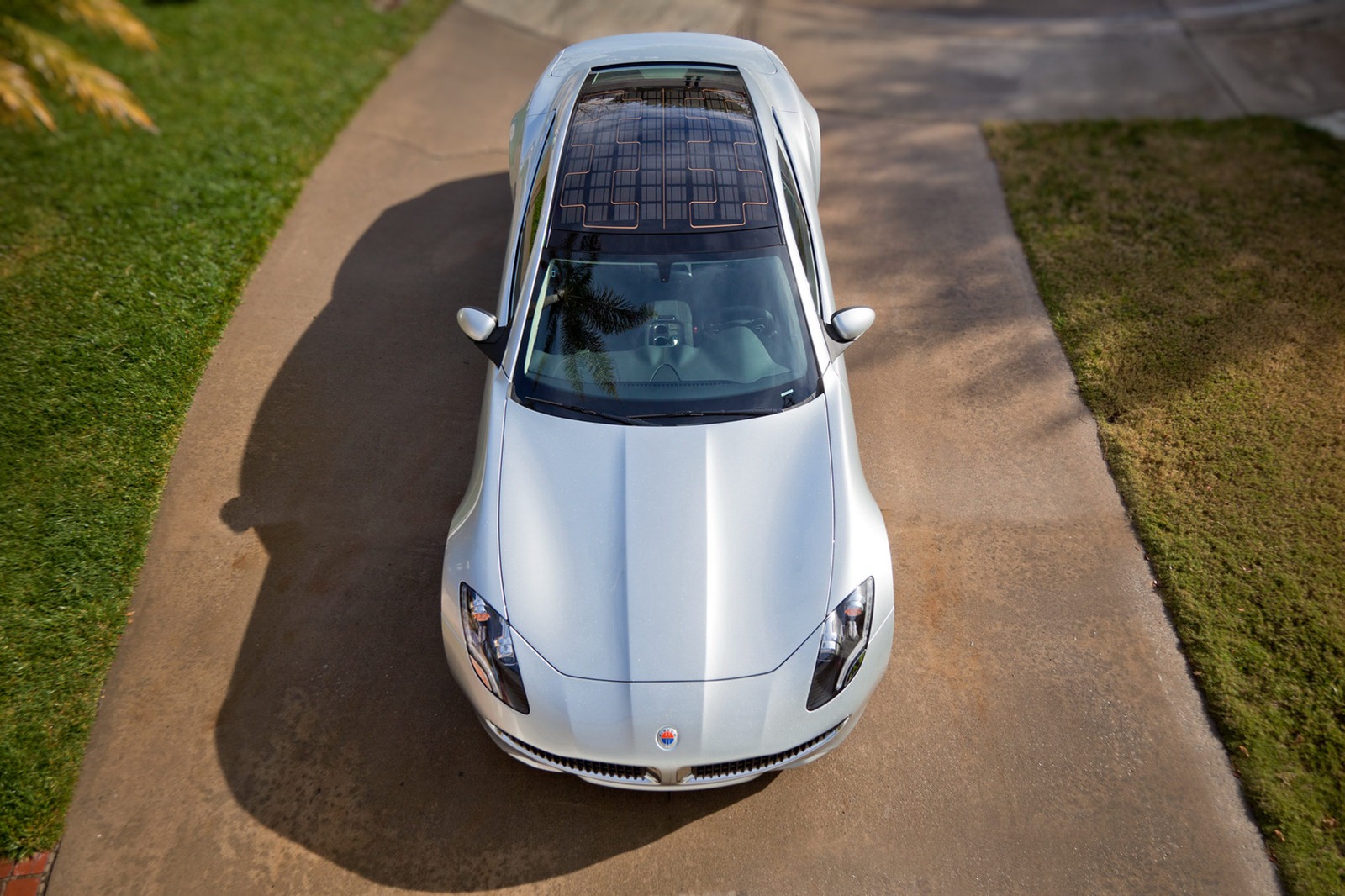
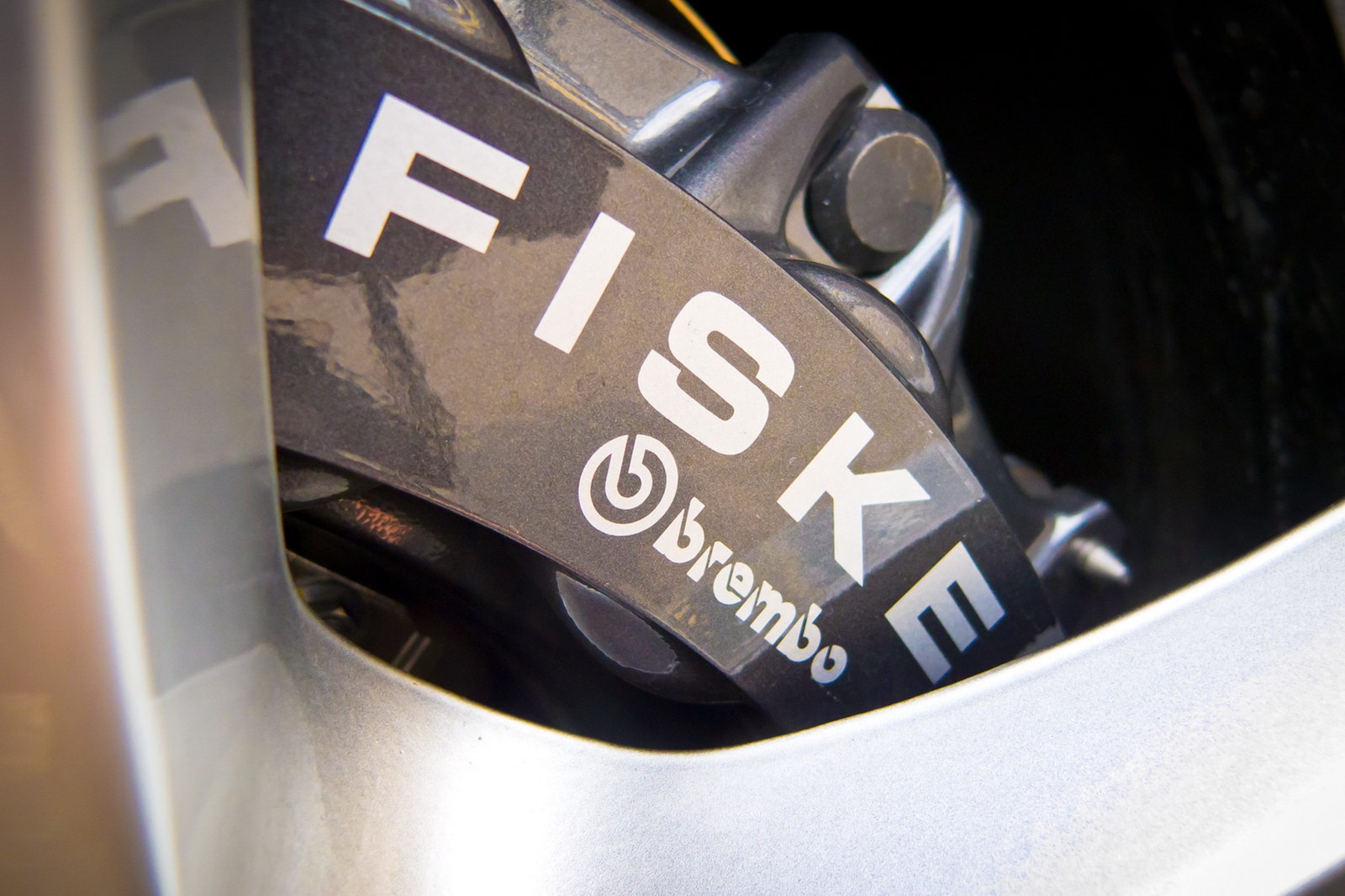
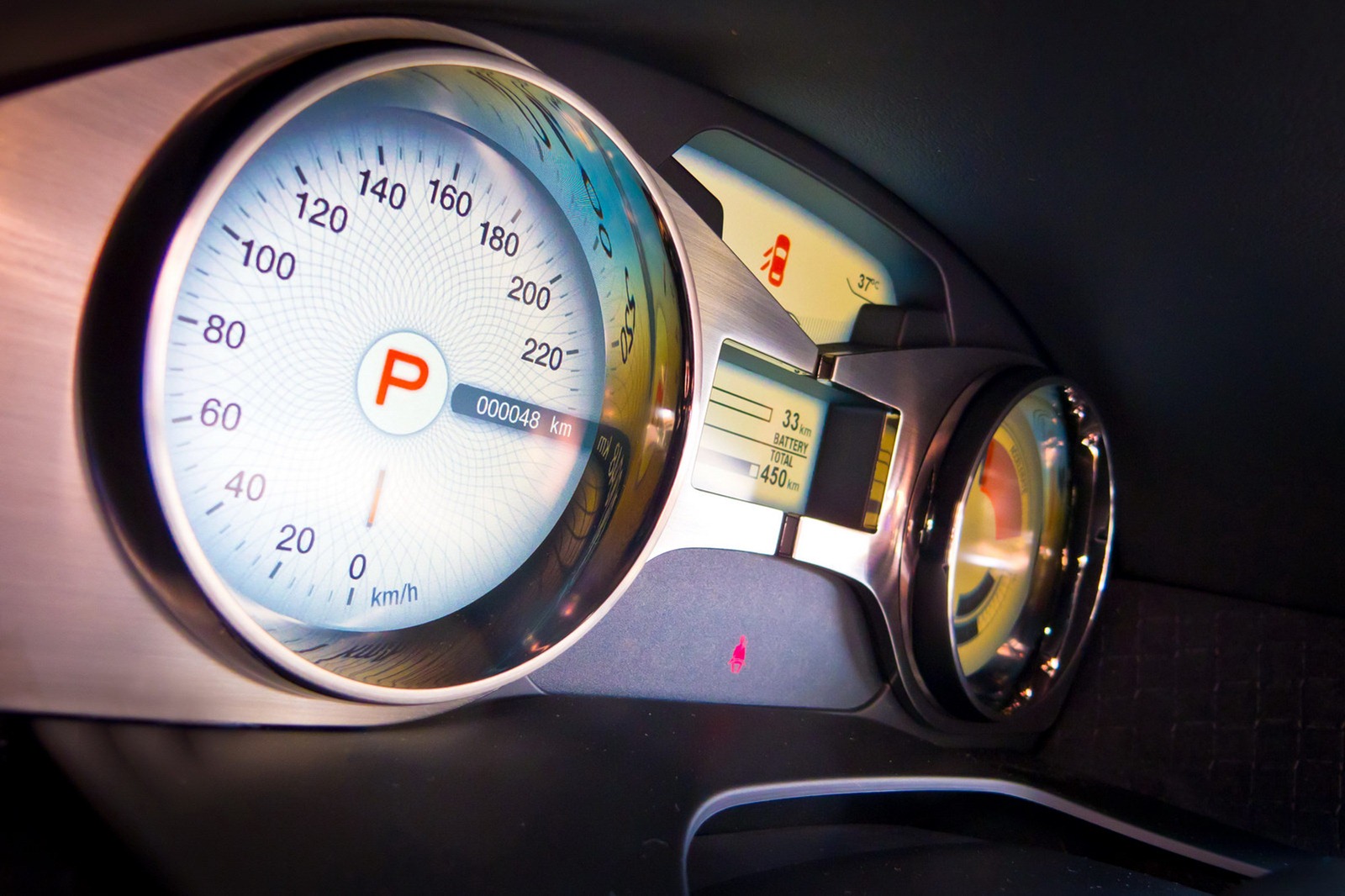
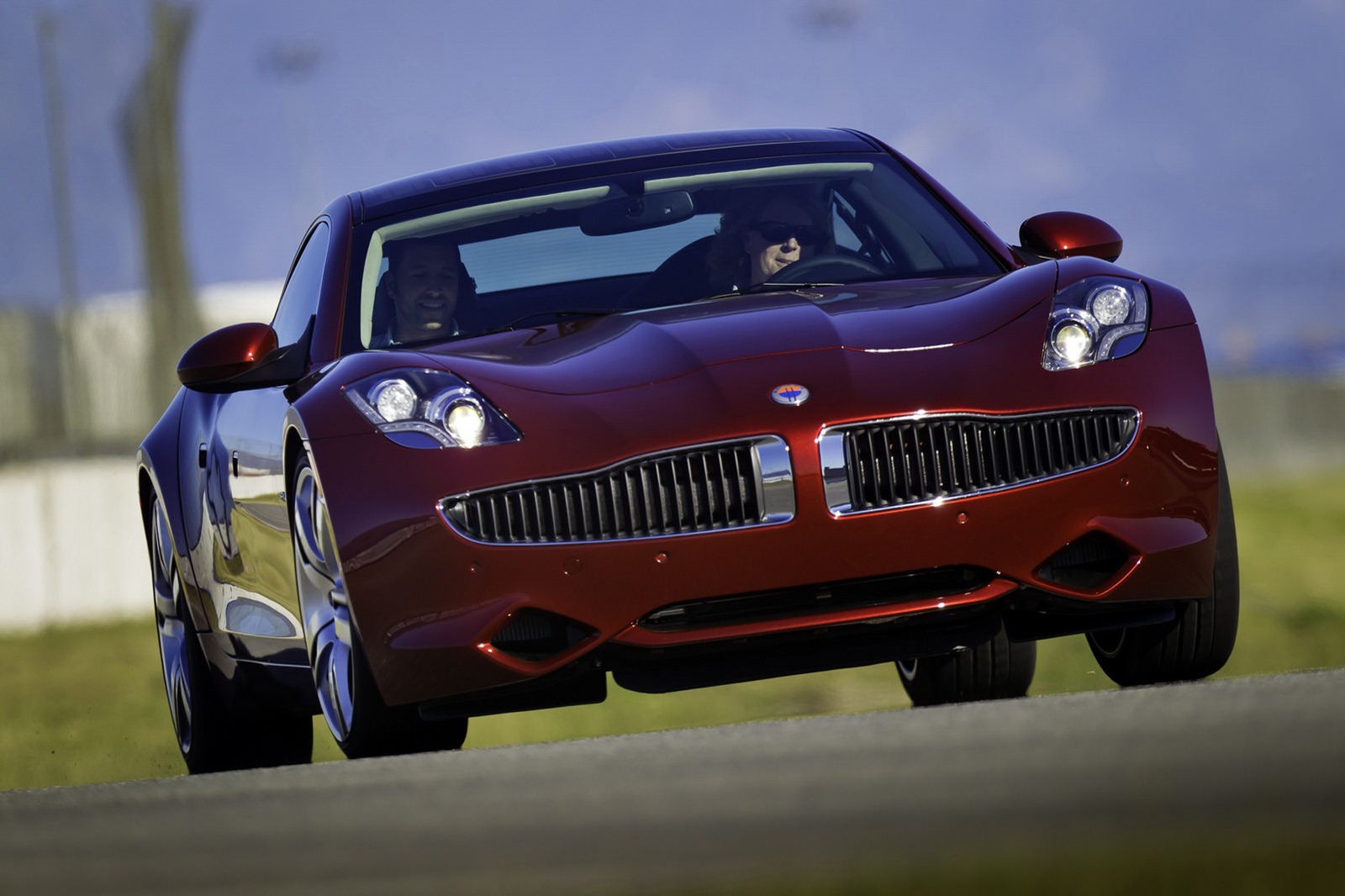
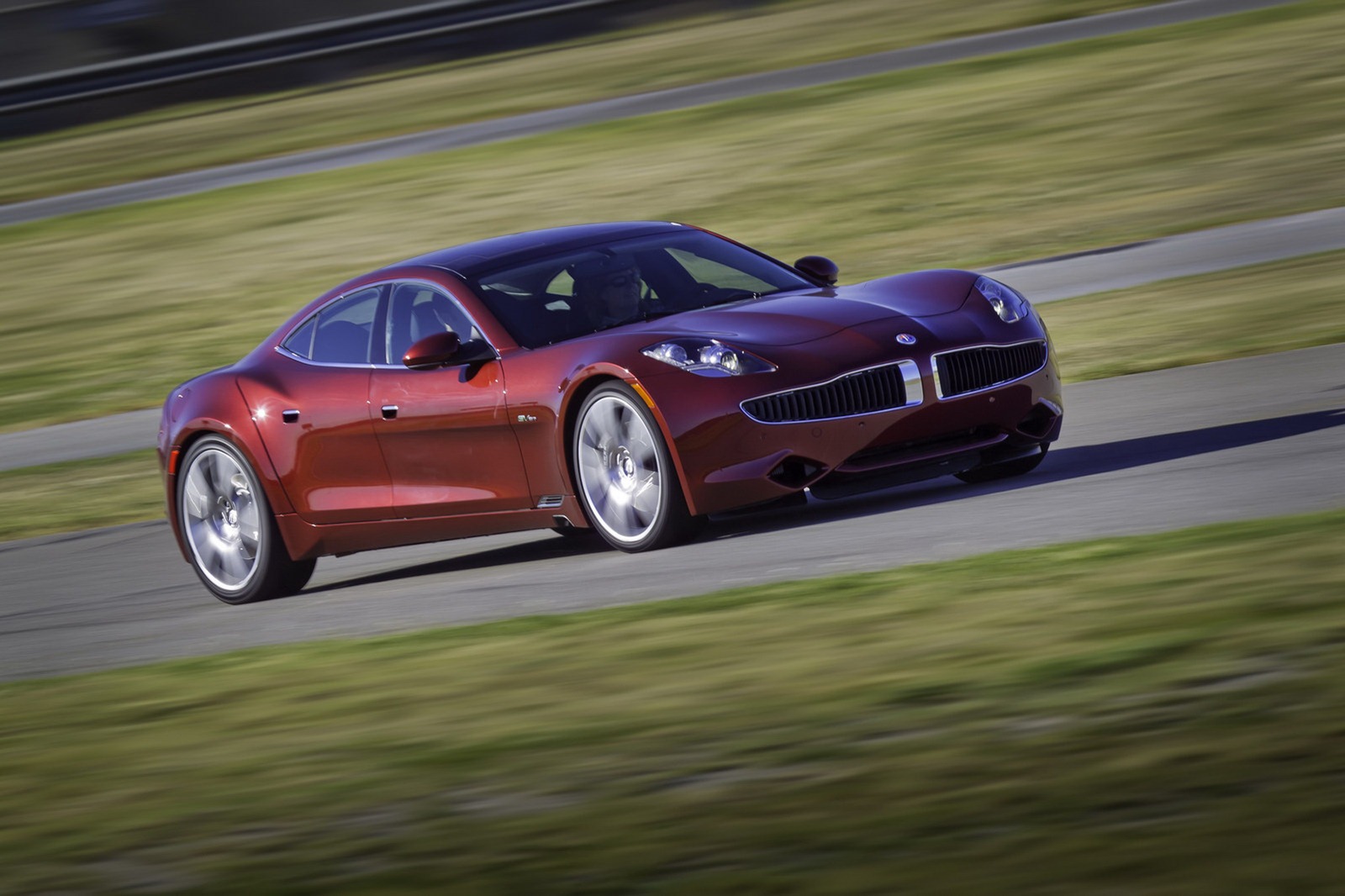
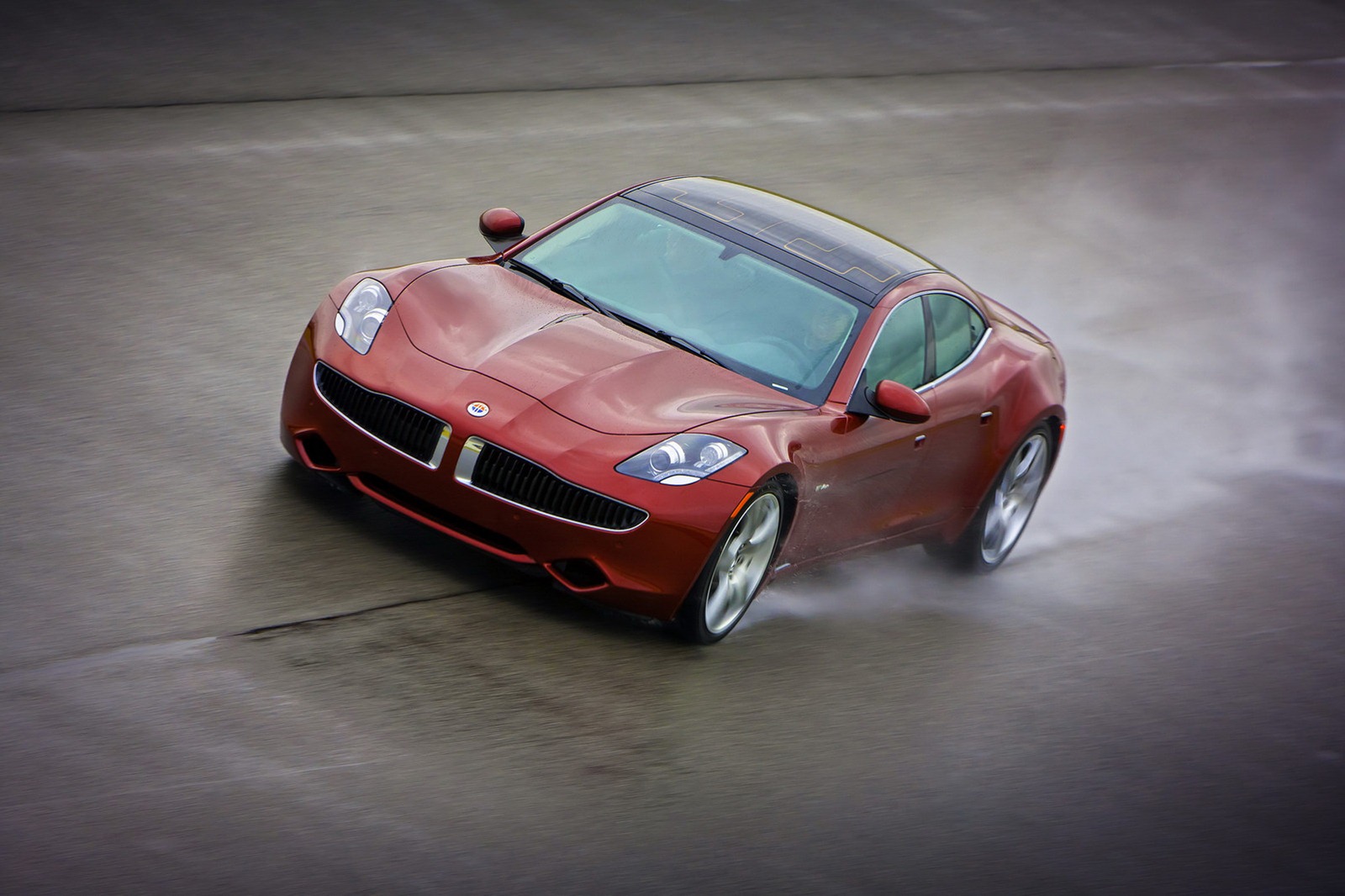
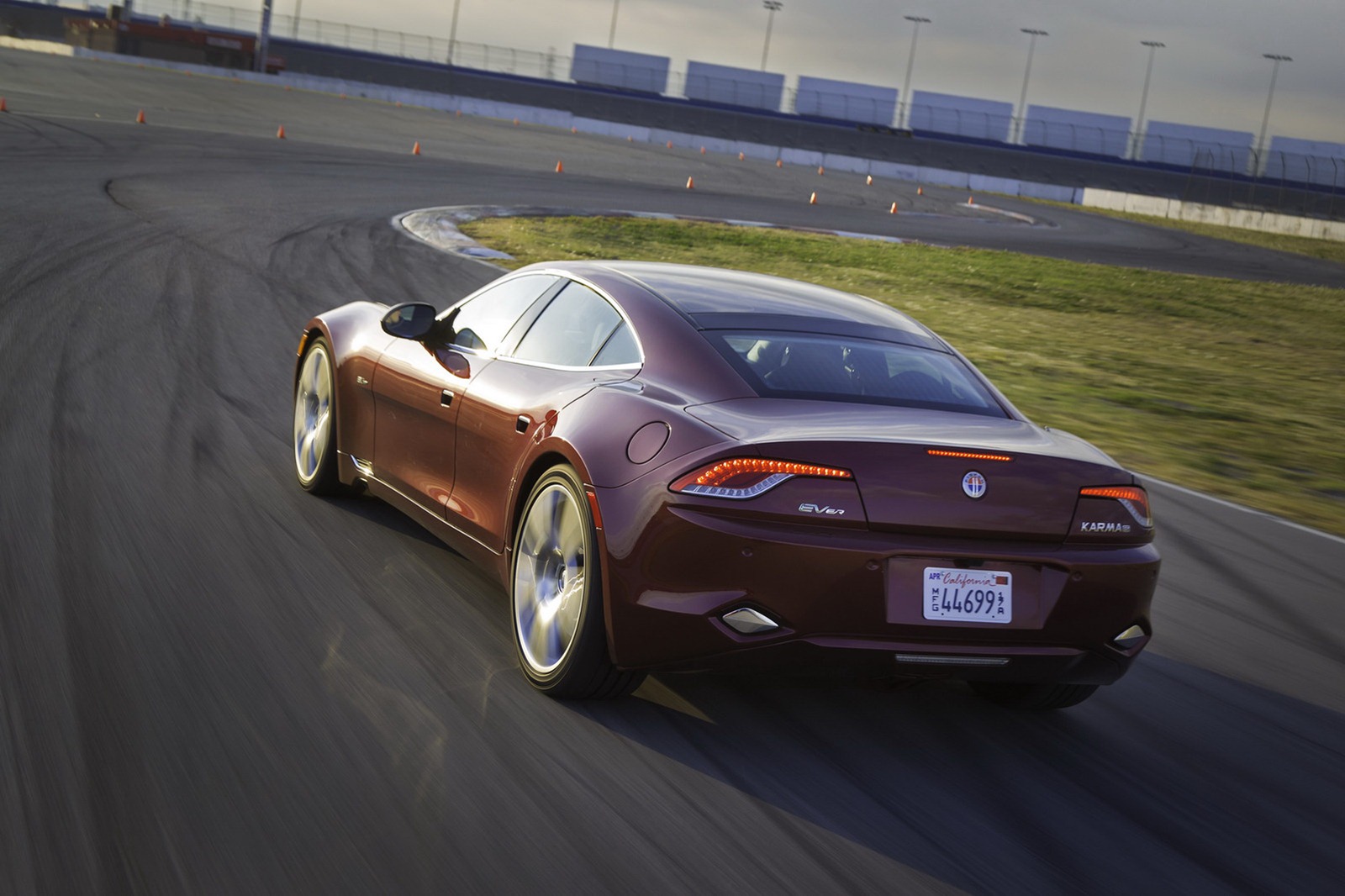
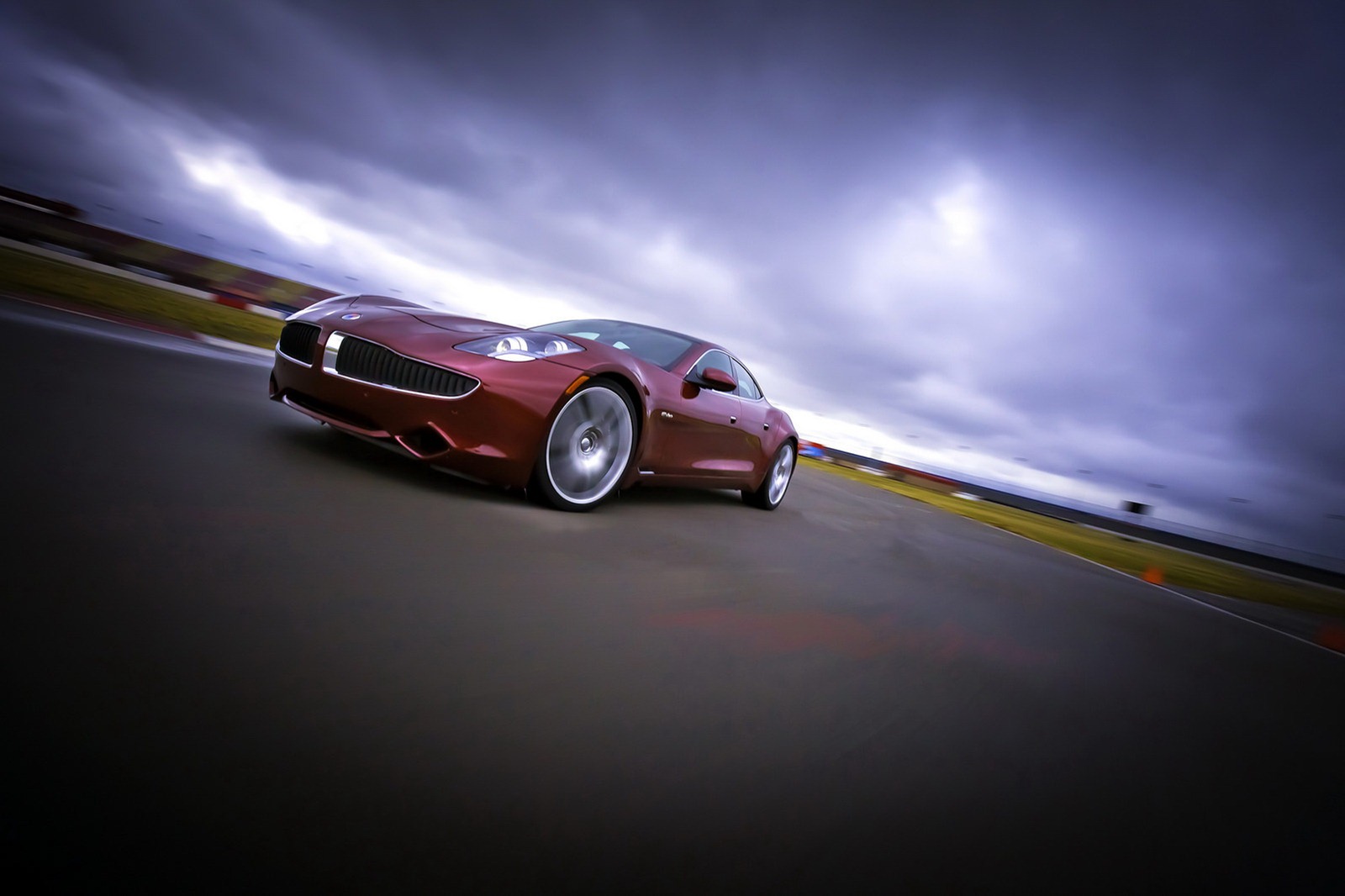
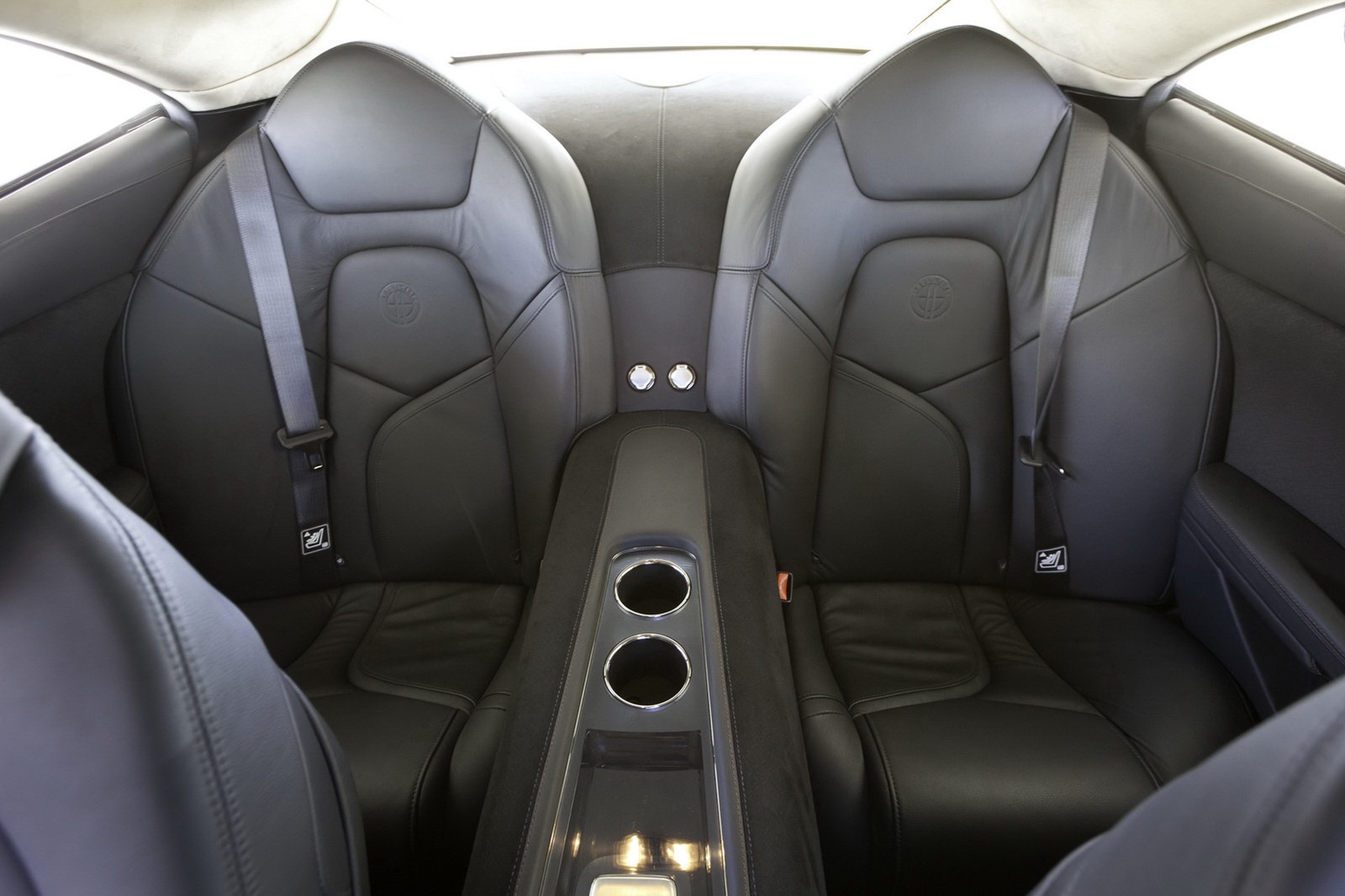
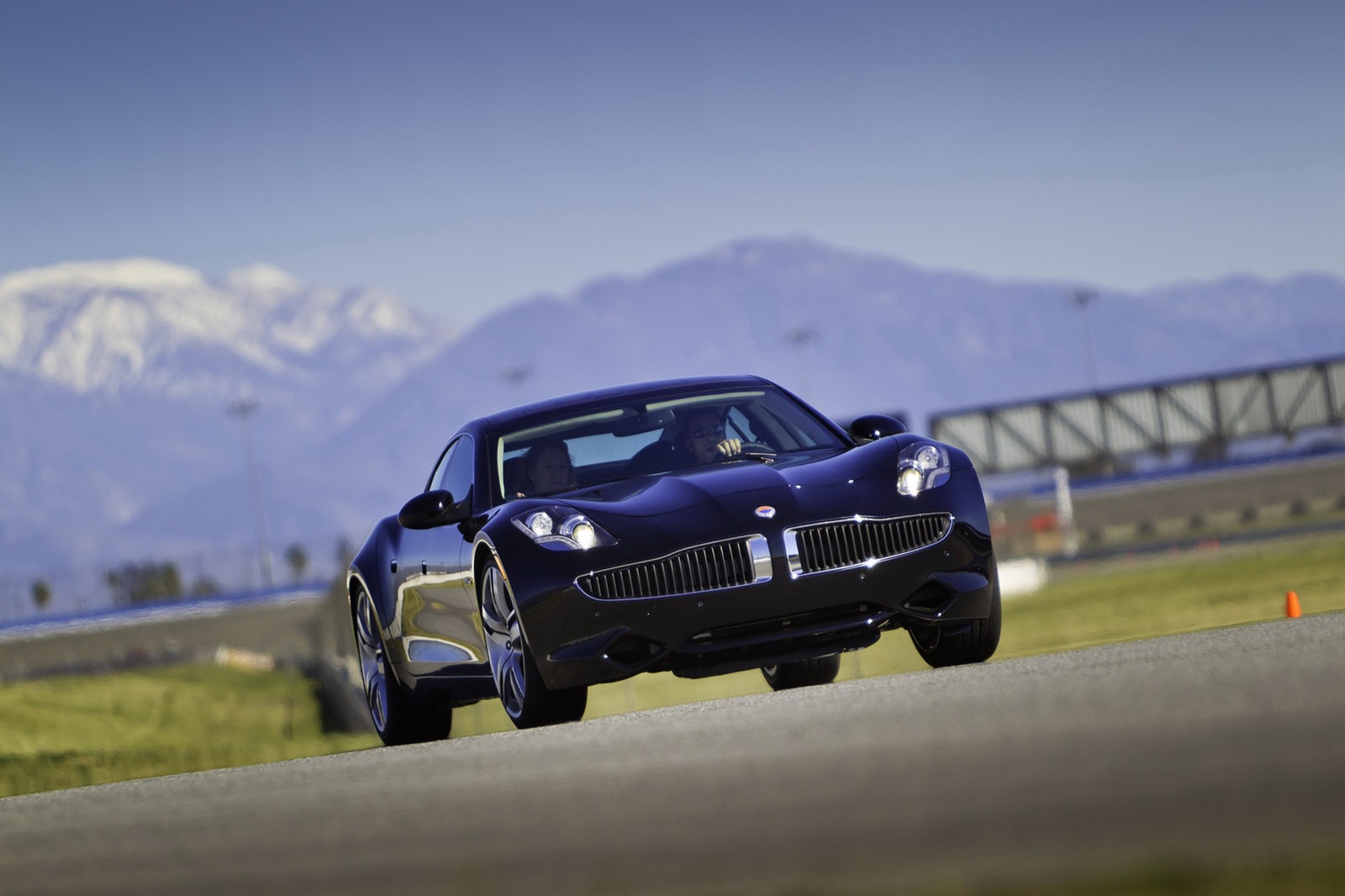
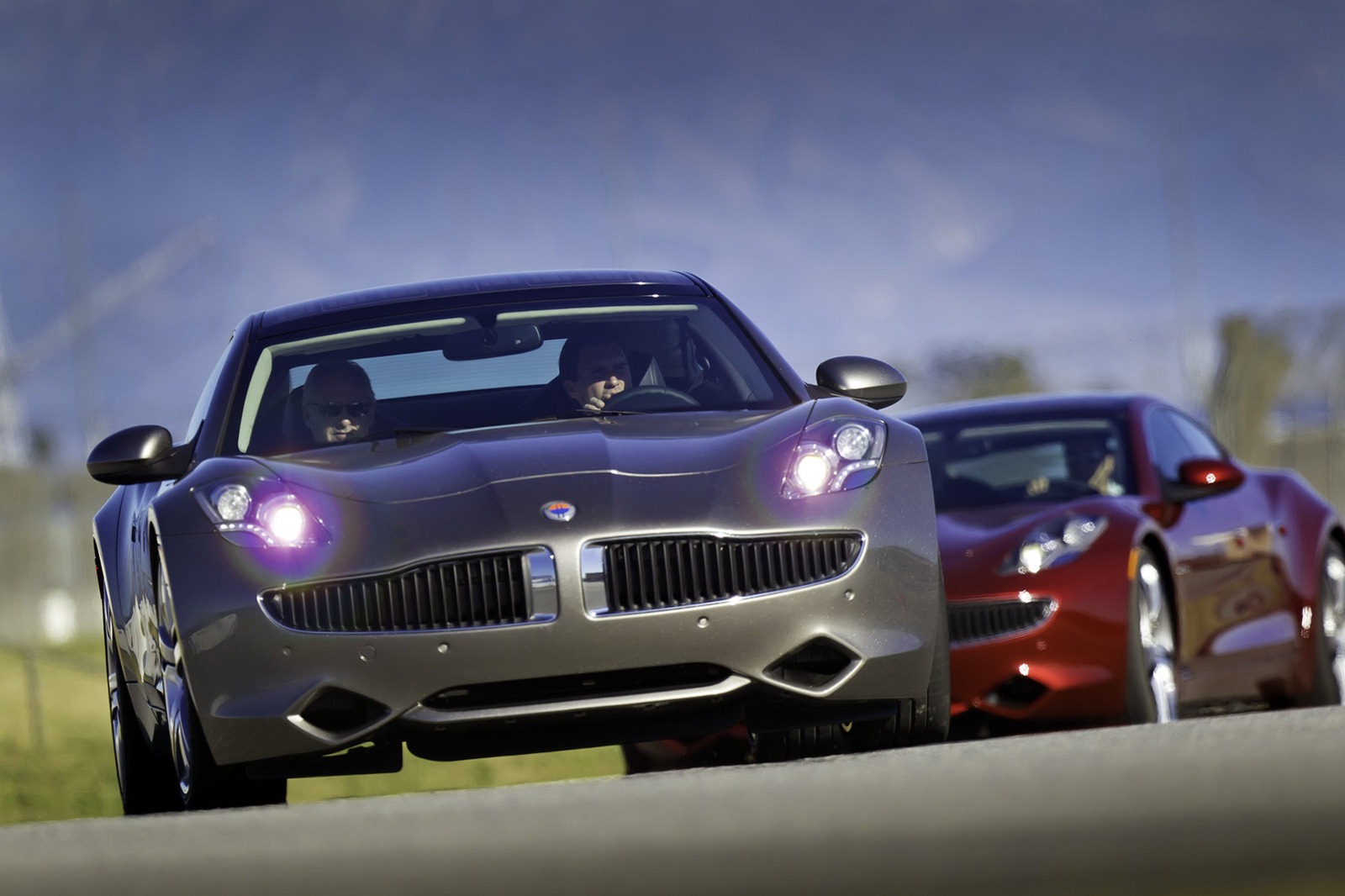
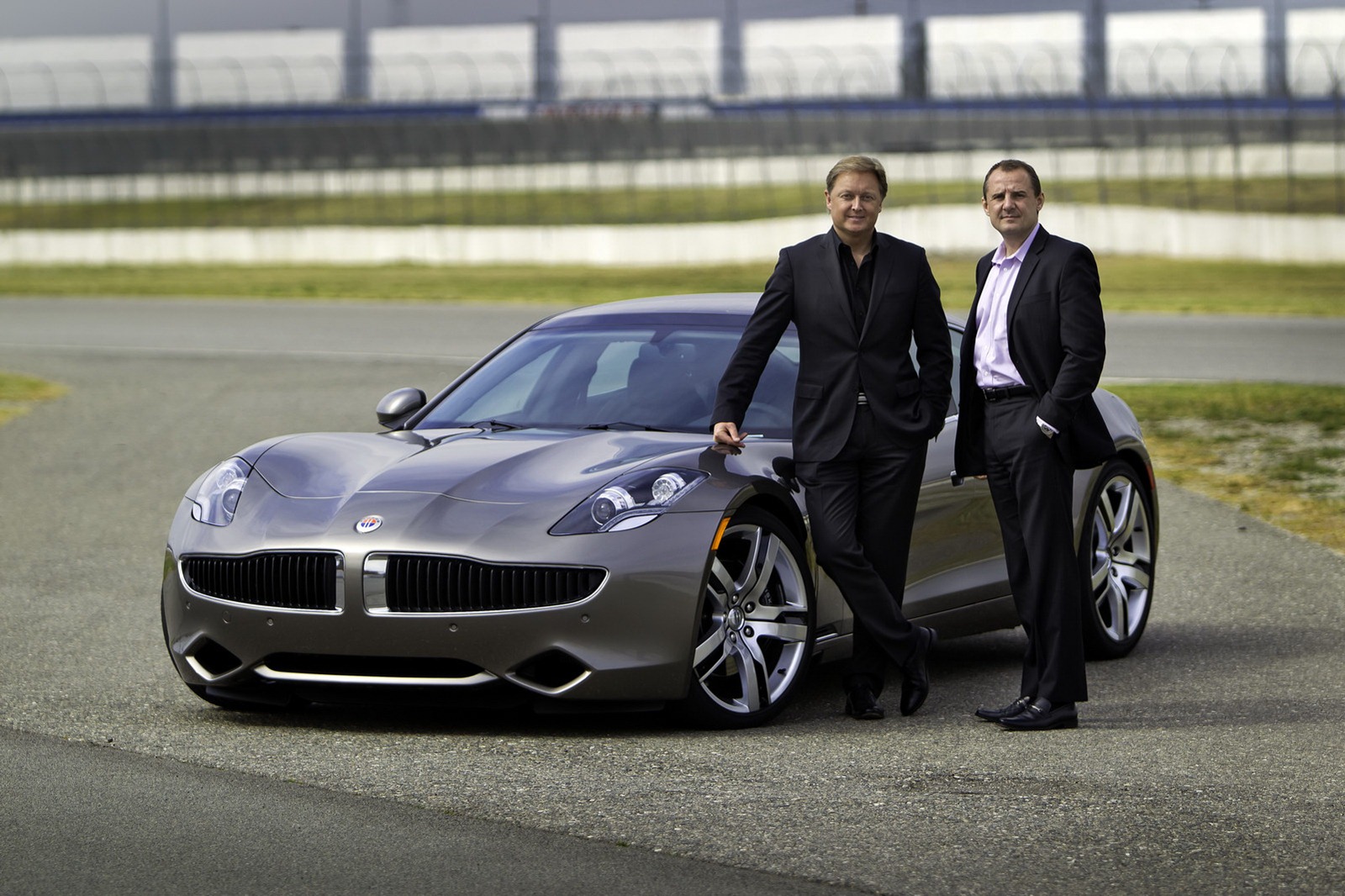
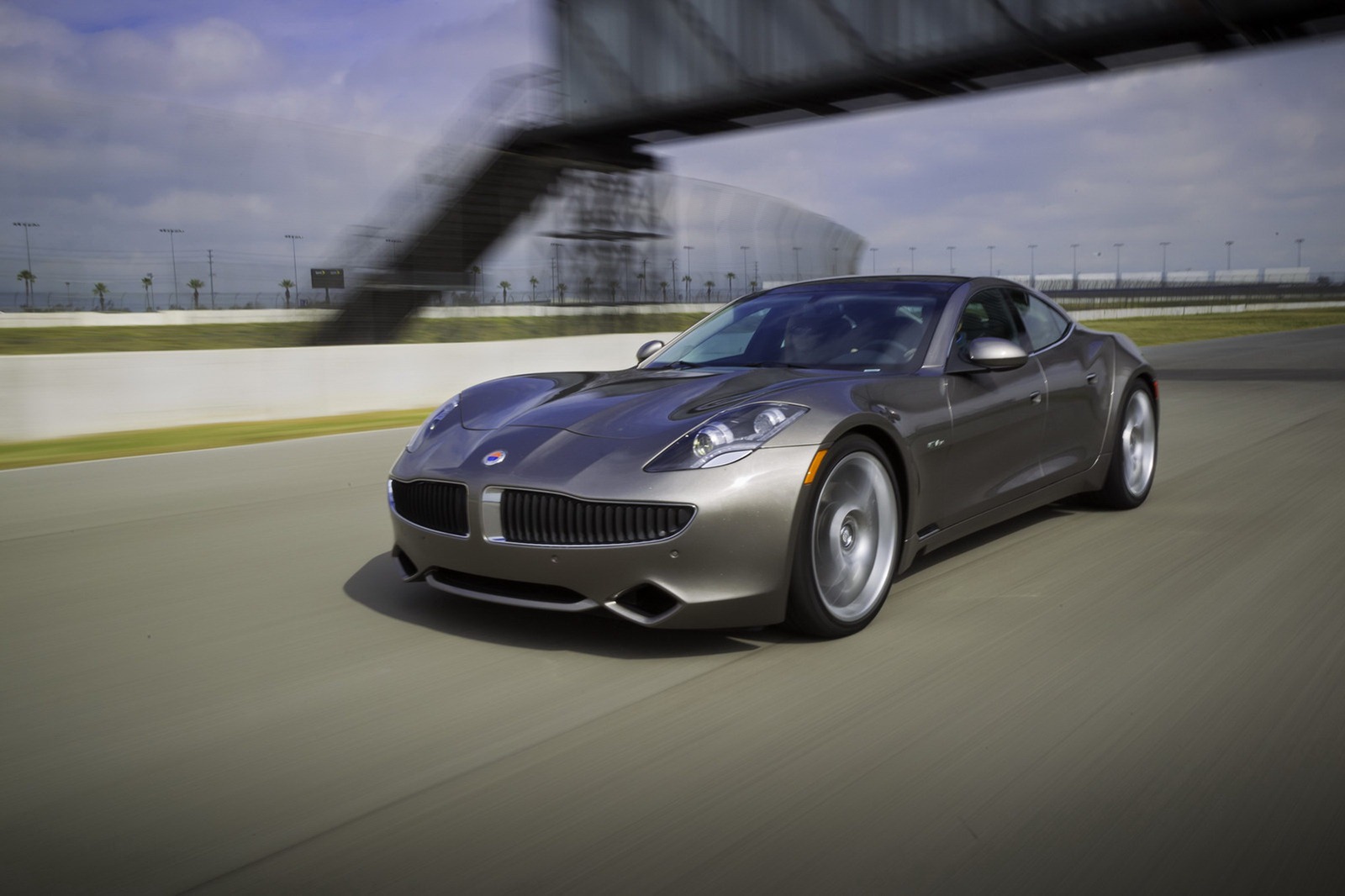
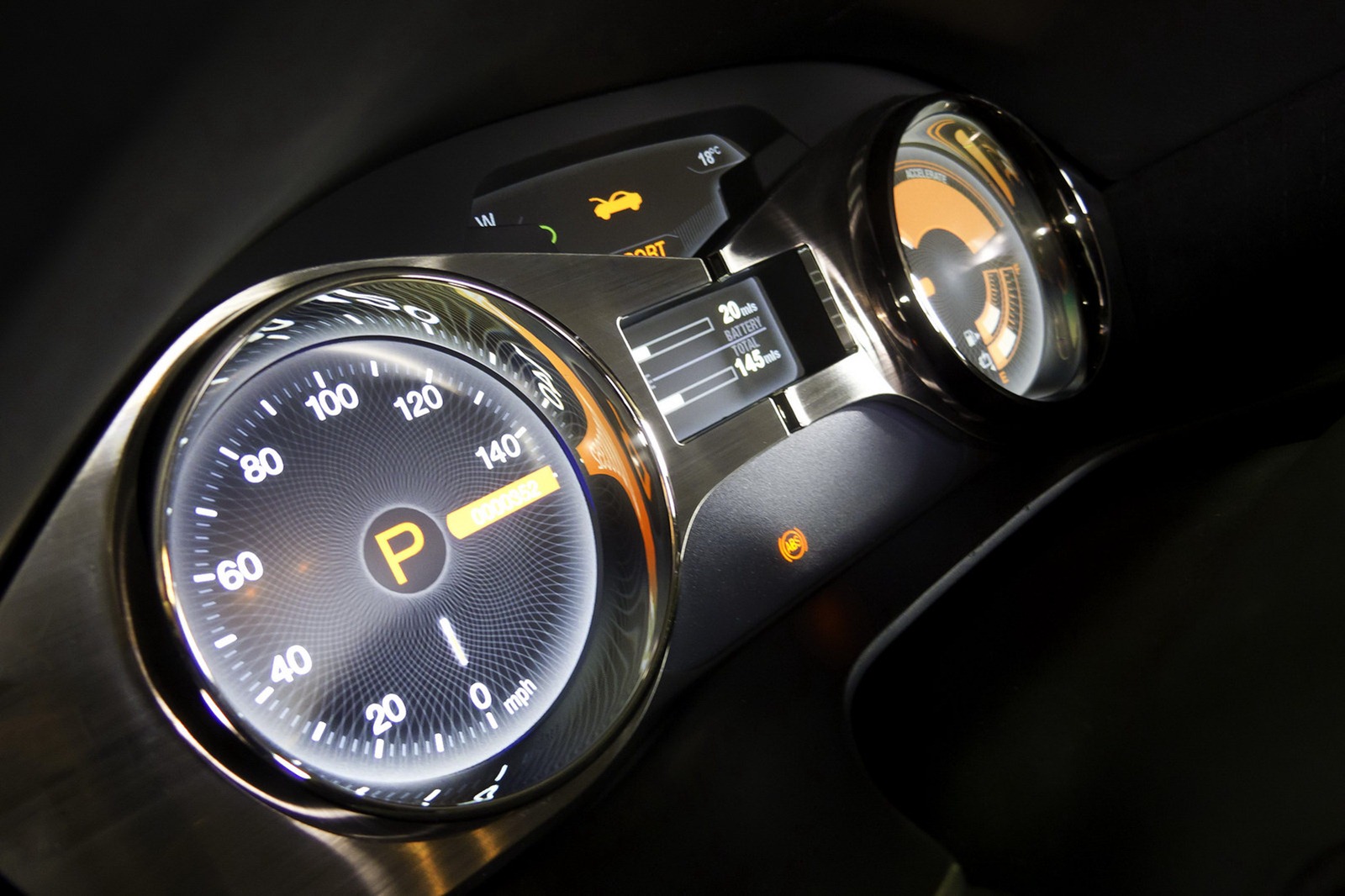
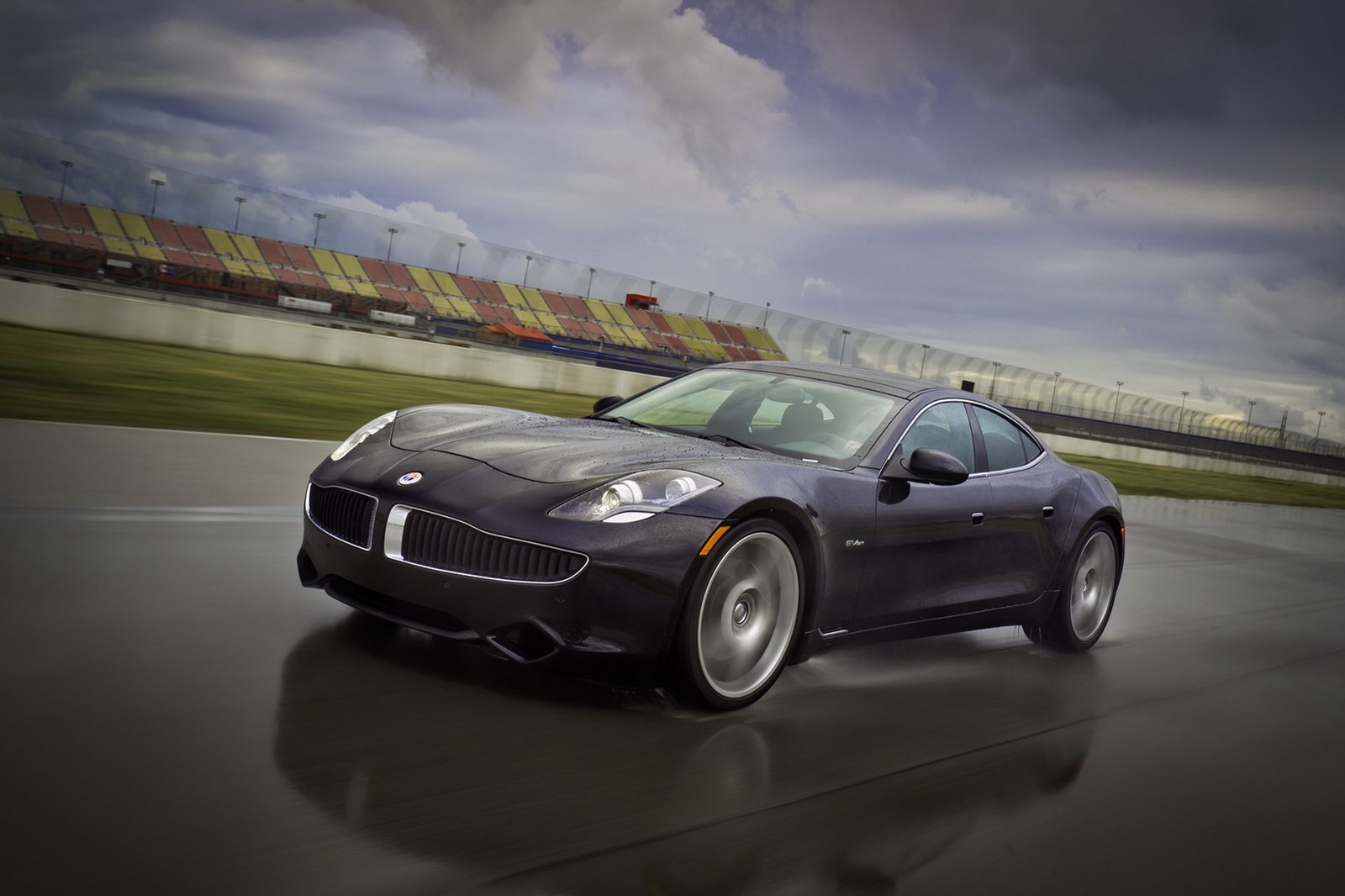
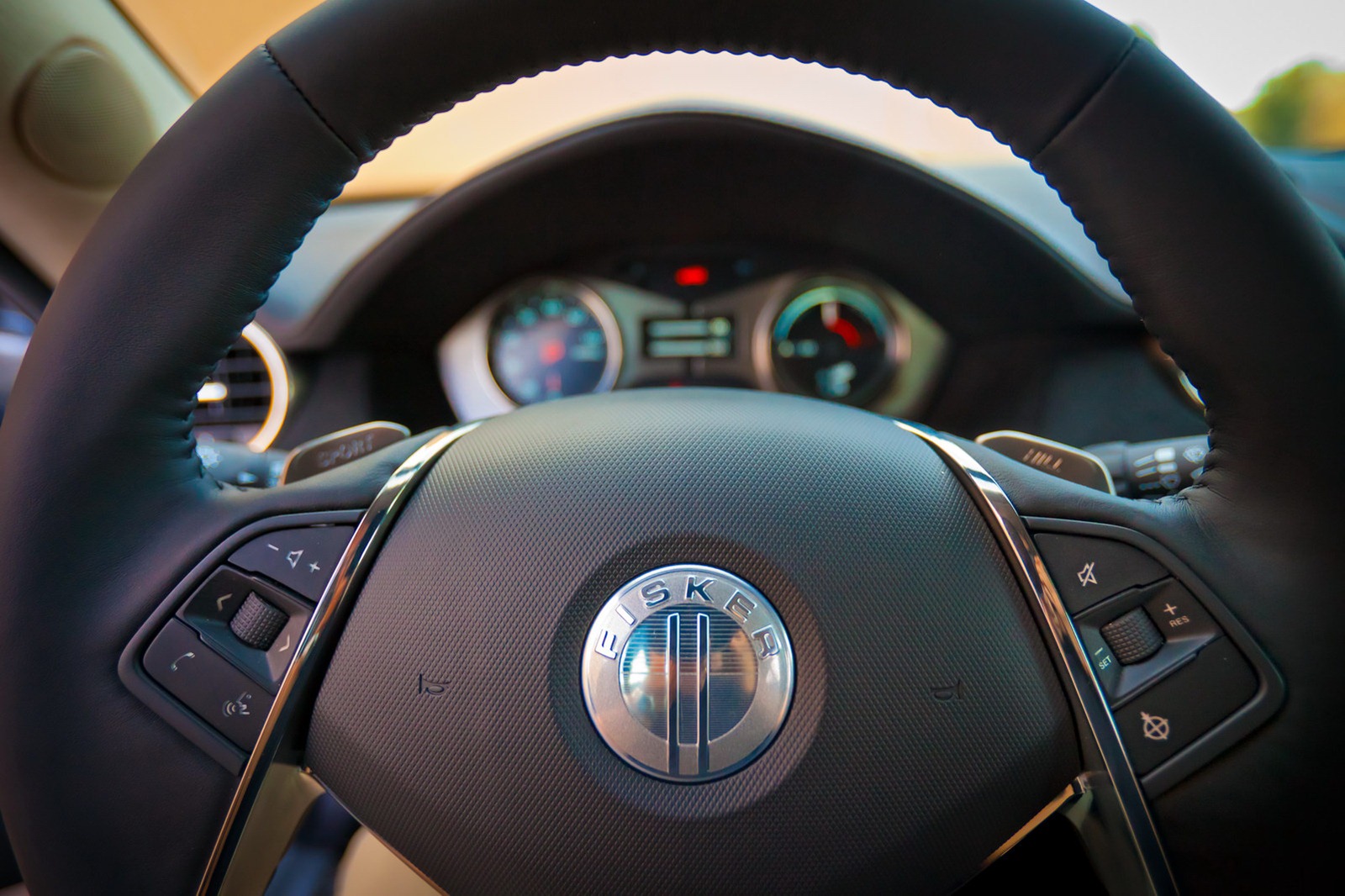
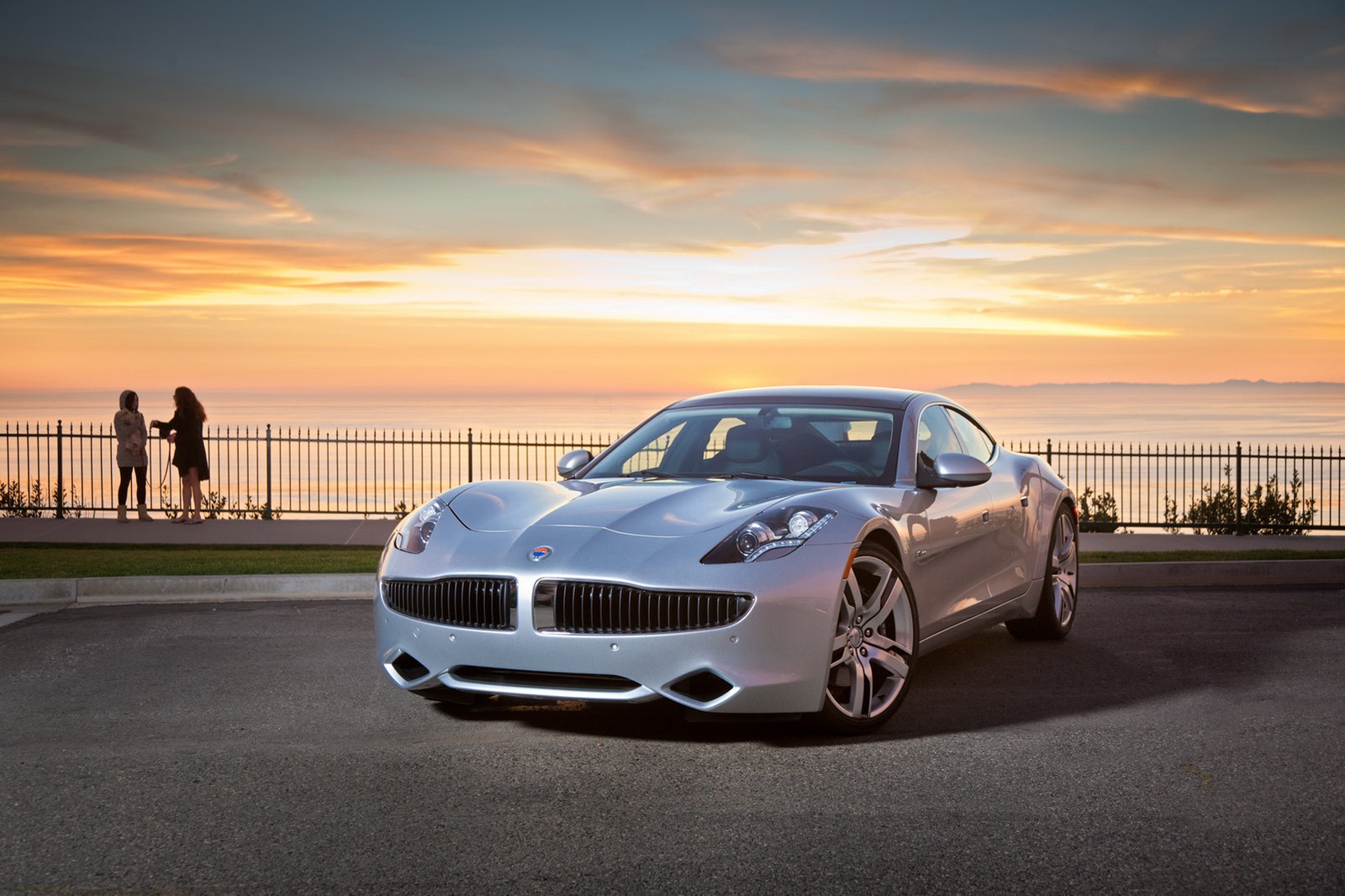
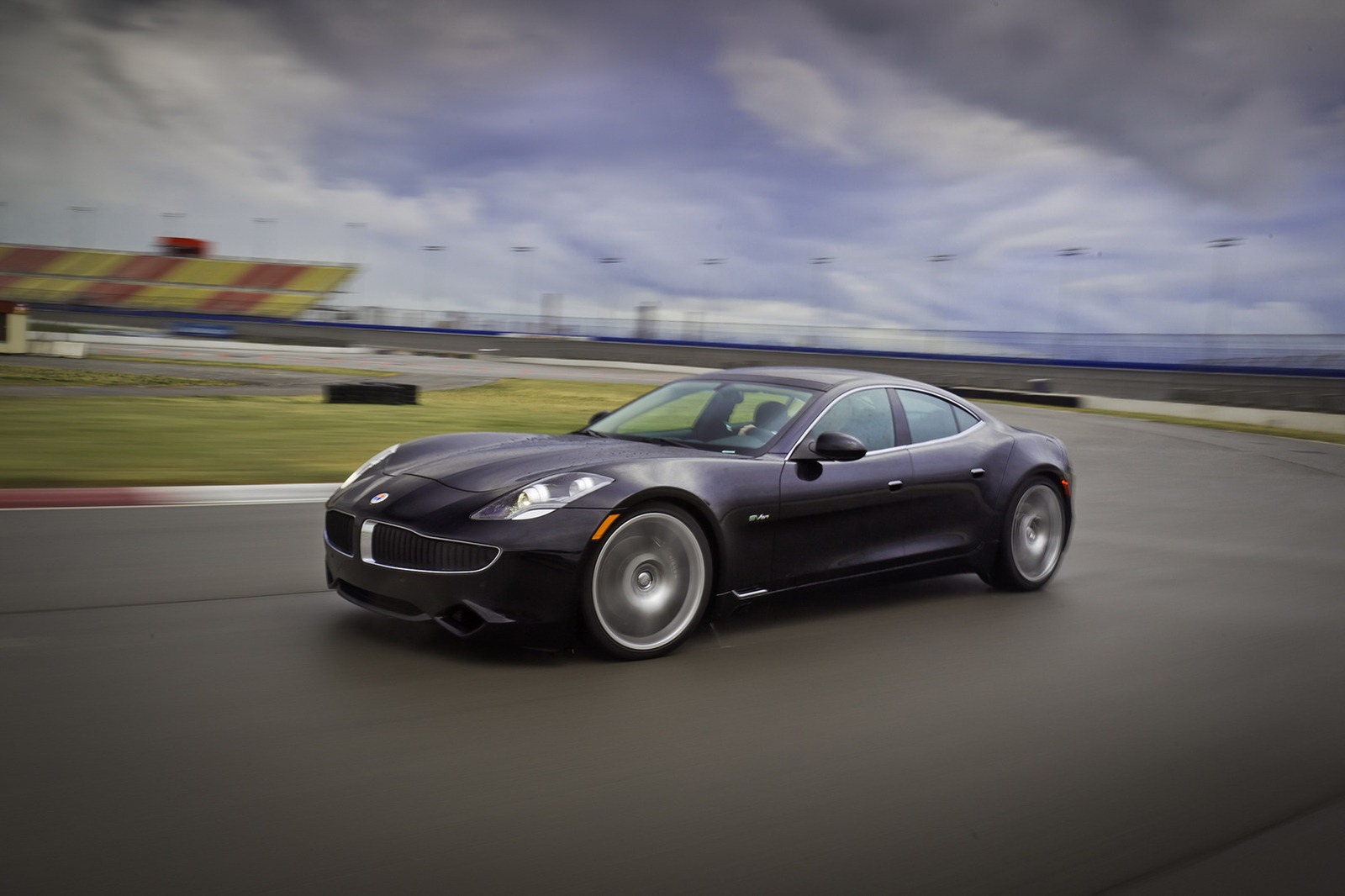
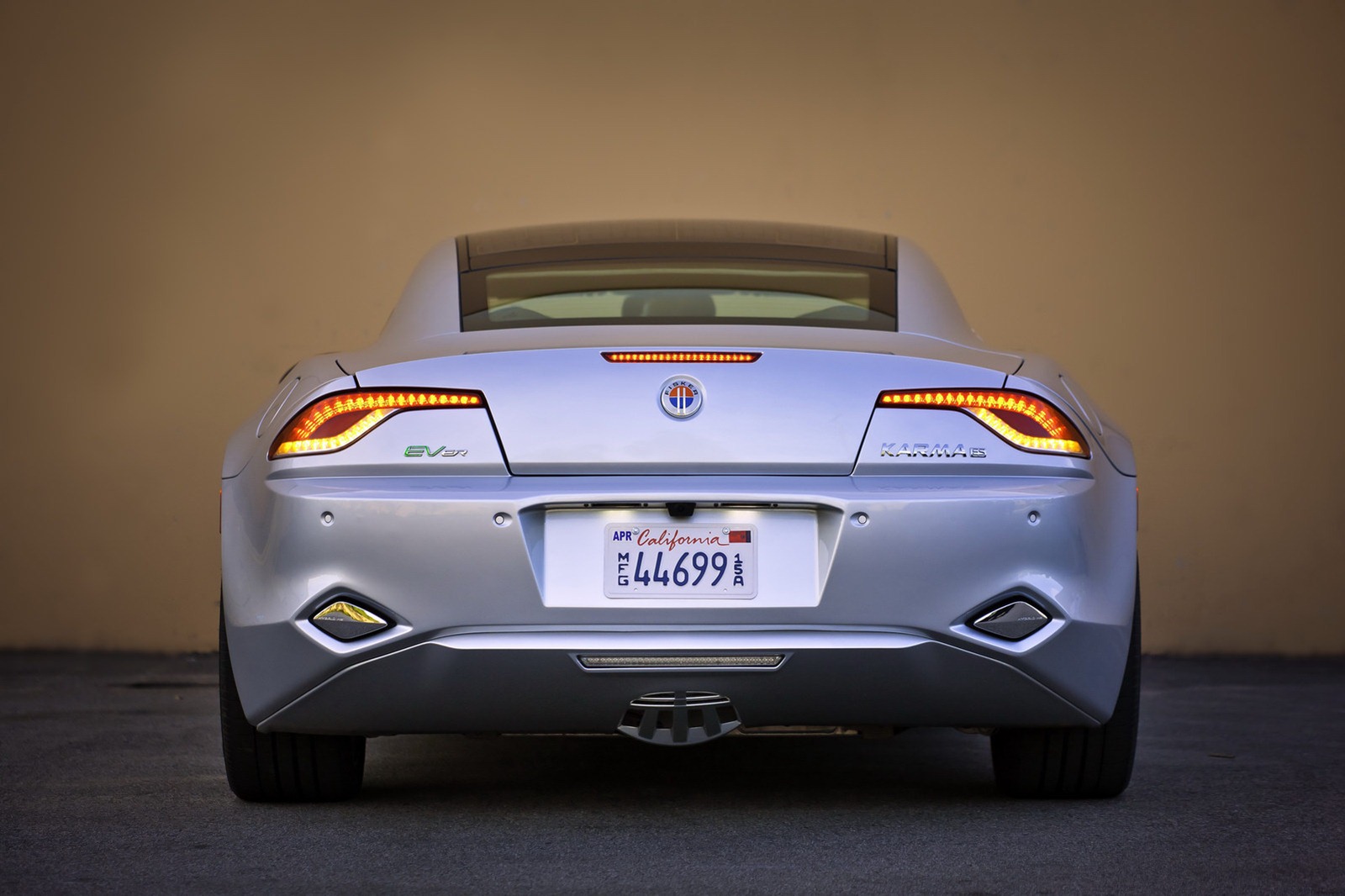
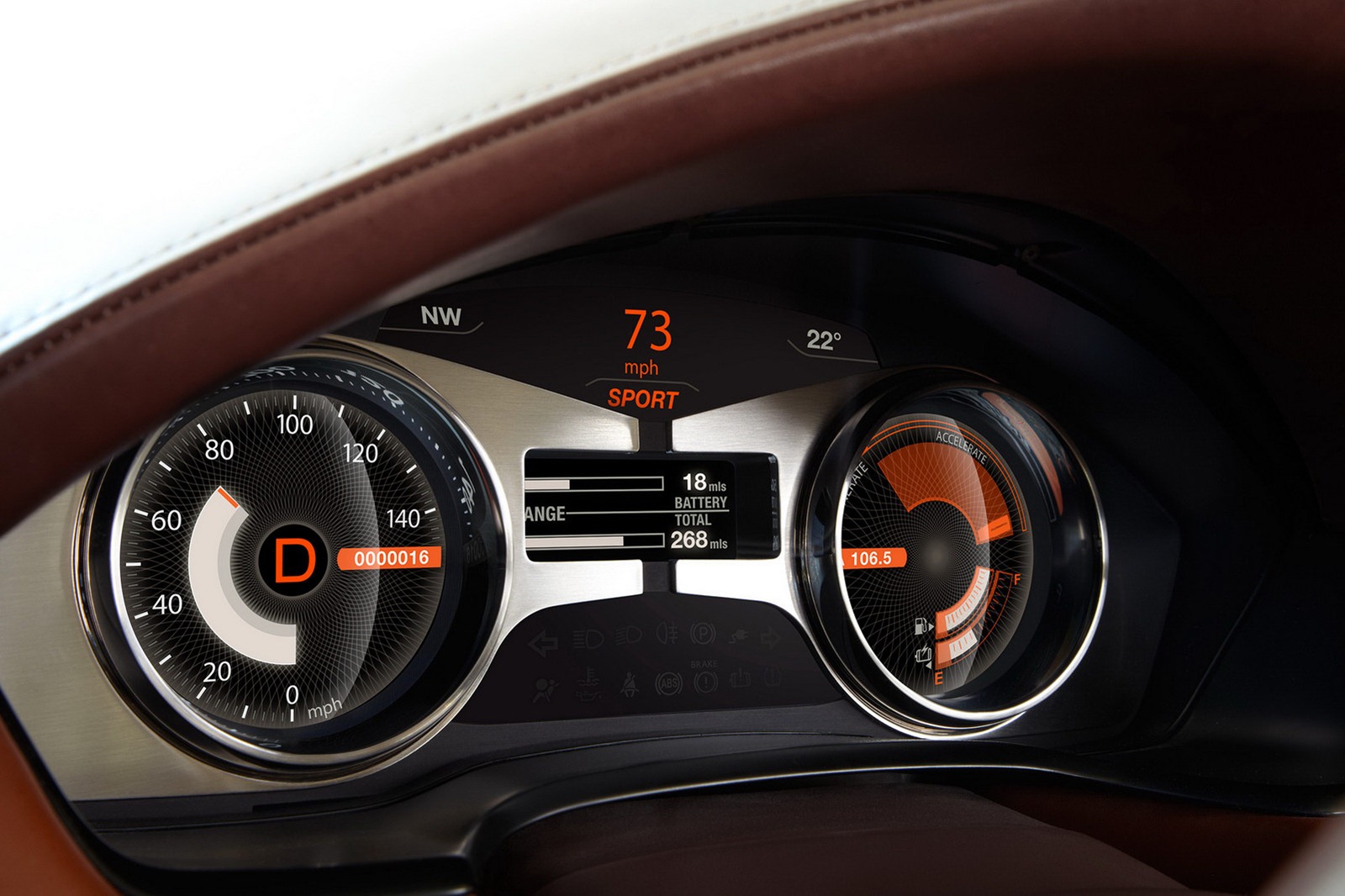
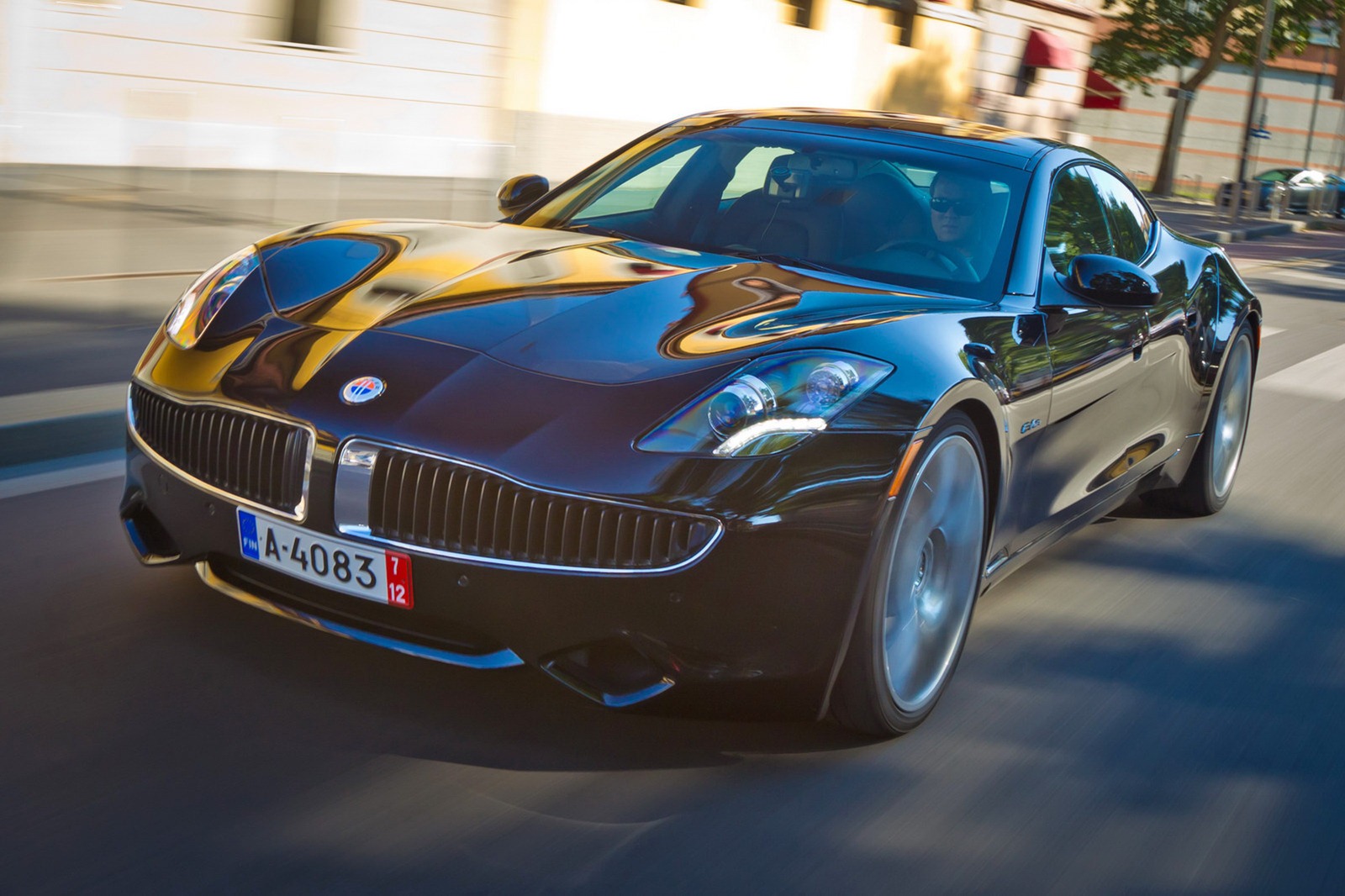
Fisker Karma's Batteries May have Potential Safety Issue


It may be little consolation to LG Chem, which manufactures the Chevy Volt lithium-ion pack that is currently under investigation by NHTSA, but GM’s hybrid isn’t the only one facing a battery-related fire risk.

Another maker of batteries for hybrids and electric vehicles, A123 Systems, announced that it has discovered a “potential safety issue” in batteries supplied to Fisker Automotive.

A123 Systems also provides battery packs to other carmakers and has recently announced the development of a proprietary lithium phosphate technology, which will be used by GM’s next generation of electric vehicles starting with the Spark EV, that is superior to lithium-ion batteries.

CEO of A123 Systems, David Vieau, said in a memo the problem that afflicts Fisker's luxury Karma sports sedan concerns the “misaligned” hose clamps of the battery pack cooling system

This may cause a coolant leak, which in turn, can lead to an electrical short circuit – something that you definitely don’t won’t in any car, let alone in one sporting a battery pack bellow the floorpan.

Vieau said that less than 50 cars were affected and that A123 Systems has “already developed a confirmed repair for this situation”, which is already implemented. He added that, despite this setback, his company’s relationship with Fisker “remains strong”.

The first Karma rolled off the production line of Valmet in Finland last March, but deliveries of the US$97,000 extended-range plug-in hybrid began in October.

Current production rate of the Karma is 25 units a day and may rise to 60 units in 2012, according to company founder and CEO Henrik Fisker.

This is the second setback for the Karma, which it saw its announced 100 MPGe (2.3 lt/100 km) consumption practically halved by the EPA after it was certified at 52 MPGe (4.5 lt/100 km).

Story References: Bloomberg

 
PHOTO GALLERY

2012-Fisker-Karma-12012-Fisker-Karma-22012-Fisker-Karma-32012-Fisker-Karma-42012-Fisker-Karma-52012-Fisker-Karma-72012-Fisker-Karma-82012-Fisker-Karma-92012-Fisker-Karma-102012-Fisker-Karma-112012-Fisker-Karma-122012-Fisker-Karma-132012-Fisker-Karma-142012-Fisker-Karma-152012-Fisker-Karma-162012-Fisker-Karma-172012-Fisker-Karma-182012-Fisker-Karma-192012-Fisker-Karma-202012-Fisker-Karma-212012-Fisker-Karma-222012-Fisker-Karma-232012-Fisker-Karma-242012-Fisker-Karma-252012-Fisker-Karma-262012-Fisker-Karma-272012-Fisker-Karma-282012-Fisker-Karma-29

Monday, November 28, 2011

GM to Provide Concerned Volt Owners with a Free Loaner after Fire Probe


General Motors is about to reach the affected customers that their vehicle Volt batteries can ignite under certain circumstances, after a crash, by offering a free loan car until the company fixes the problem.

The first problem arose in May when a Chevy Volt lithium-ion batteries caught fire while the car was parked on the National Highway Traffic Safety Administration facilities [NHTSA] WI, three weeks after he was exposed to a side impact test.

The three additional simulated NHTSA side impact tests with different Volts on November 16, 17 and 18, which caused a fire up battery, smoking and emitting sparks when a car came out completely clean.

The Detroit-based automaker said if the company was not aware of these incidents on public roads, it will take all necessary precautions "to ensure customer satisfaction and safety."

"Our customers peace of mind is very important to us that there is any concern or anxiety. This technology should inspire confidence and pride, does not pose any problem or doubt," said Mark Reuss, president of GM North America.

"The question is how to handle the battery of days and weeks after a serious accident, so it's not just a matter of interest in V, but we continue to advance our search for the electric vehicle industry," he added.

Maria Barra, senior vice president, Global Product Development, said that GM has already installed a design team to develop more changes to remove any concerns of possible electrical fires after the accident.

"We work with NHTSA and we all have an understanding of these risks and how they can be avoided in the future," said Barra. "It's not just a problem of Volt. We are carrying an electric vehicle jointly with the Society of Automotive Engineers and other automotive companies to address new problems, such as protocol stacks depower after a serious accident."

As for the Volt owners concerned about the safety of their cars, GM has said that the company can contact you and arrange a loan without GM vehicles.

"A vehicle loan program of this nature are by far the standard for a preliminary inquiry, and underlines our commitment to the vehicle and its owners," said Reuss. "These measures are the right person to take into account any immediate impact on our operations."
PHOTO GALLERY
Thursday, November 17, 2011

New Mercedes-Benz A-Class E-Cell with Battery Powered Electric Drive


Mercedes-Benz has taken the veil on its all-electric Class A E-Cell electric vehicle production will fall. The company plans to build 500-Class E-Cells and the rental car to selected customers in several European countries including Germany, France and Holland.

The lithium-ion power E-Cell is based on the current A-Class, Mercedes says it offers the same security as the space and comfort of its gasoline brothers.

E-Cell has a range of 124 miles (200 km) on a single charge and can be recharged either via the network (which takes eight hours) or at public charging stations (which takes three).

The rated power is 68 hp engine (50 kW) and 95 hp (71 kW) when the unit (ie for overtaking). The torque is 290 nm. Mercedes claims the E-Cell is good for 0-37 mph (0 to 60 km / h) in 5.5 seconds and 0 to 62 mph (0 to 100 km / h) in 14 seconds. Top speed is electronically limited to 93 mph (150 km / h).

The launch of the E-Cell coincides with the planned creation of hydrogen and electric charging infrastructure in the region of Baden-Württemberg in Germany. In cooperation with Energie Baden-Württemberg AG, Daimler will provide 700 points of recharge and two to three hydrogen fueling stations in the region in late 2011.

By Tristan Hankins


Profile description and technical data for the A-Class E-CELL

  • Locally emission-free, exclusively battery-powered electric vehicle with a range of more than 200 kilometres NEDC (new European driving cycle).

  • Five-seater compact car meeting all requirements for everyday use.

  • Two liquid-cooled lithium-ion batteries with 36 kWh storage capacity.

  • Battery system location leaving spacious interior and luggage compartment completely unobstructed.

  • Power electronics with integrated DC/DC converter for 12-volt supply.

  • Front axle drive.

  • THERMOTRONIC air-conditioning and pre-start climate control via charging plug.

  • Series production run of 500 units to start in autumn 2010.


Drive systemElectric drive, lithium-ion battery
Continuous power rating (hp)68
Peak power (boost) (hp)95
Rated torque (Nm)290
Maximum speed (mph)93
Acceleration from 0 to 62 mph (s)14
Acceleration from 0 to 37 mph (s)5,5
Charging time for 100 km range (NEDC)8 h from domestic mains socket (230 V)

3 h from wall-box / public charging point (400 V)
Range (miles) NEDC>124
Energy capacity of lithium-ion battery system (kWh)36
Payload (kg)
*) As per EG directive, including driver (68 kg) and luggage (7 kg)
350*)
Luggage compartment volume (l)435 - 1.370


_______________________________________________________________________________________


Twitter Delicious Facebook Digg Stumbleupon Favorites More